

Commercial analytics problems pharma teams still struggle with in 2026
Pharma organizations have more data than ever before. Sales activity, prescription trends, access metrics, patient services data, claims, and payer insights are widely available across vendors and internal systems.
Yet in 2026, many commercial teams still operate with partial visibility, delayed insights, and disconnected decision making.
The issue is no longer data availability.
It’s how commercial analytics is structured, governed, and used across teams.
Below are the most persistent commercial analytics problems pharma teams continue to struggle with and why they remain unresolved despite years of investment.
Data fragmentation across commercial systems
Commercial data lives everywhere:
- CRM and call activity systems
- Prescription and claims feeds
- Hub and patient support platforms
- Specialty pharmacy reports
- Payer and access datasets
- Field reimbursement tools
Each system answers a narrow question. None provide a complete commercial picture on their own.
As a result:
- Sales teams see activity but not outcomes
- Market access teams see restrictions but not field impact
- Brand teams see lagging KPIs without operational context
Most analytics environments still rely on stitched-together reports rather than a unified commercial data model.
Without integration, teams optimize locally and miss system wide issues.
Overreliance on lagging indicators
Many commercial dashboards still focus on:
- TRx and NRx trends
- Monthly or quarterly sales performance
- Post period territory comparisons
These metrics are important, but they arrive too late to influence outcomes.
In 2026, pharma teams still struggle to answer forward looking questions like:
- Which territories are about to miss plan?
- Which prescribers are disengaging before scripts drop?
- Where are access delays likely to impact next month’s volume?
Without leading indicators such as access friction, time-to-therapy, field execution gaps, or payer behavior shifts analytics remains descriptive, not predictive.
Poor visibility into access and payer impact
Access challenges continue to be one of the biggest commercial blind spots.
Many teams still cannot clearly connect:
- Payer restrictions to prescription abandonment
- Prior authorization delays to sales underperformance
- Step edits to prescriber behavior changes
- Copay exposure to refill drop offs
Data exists across hub systems, claims feeds, and payer reports, but it’s rarely connected at the patient, payer, or geography level.
This leads to:
- Reactive payer strategies
- Delayed escalation of access issues
- Limited evidence during contract negotiations
Commercial analytics often stops at “what happened” instead of explaining “why it happened.”
Limited connection between field activity and outcomes
Sales analytics frequently tracks effort, not effectiveness.
Common challenges include:
- Call volume without quality context
- Reach and frequency without conversion insight
- Speaker programs without downstream impact measurement
Field teams are measured on activity metrics that don’t clearly tie to prescriptions, access resolution, or patient starts.
In 2026, many pharma organizations still lack a closed-loop view that connects:
- HCP engagement
- Access progress
- Prescription outcomes
Without this linkage, it’s difficult to optimize targeting, messaging, or deployment strategies.
Inconsistent definitions across teams
Ask five teams how they define a “new patient” or “on therapy patient” and you’ll often get five different answers.
Common inconsistencies include:
- New vs continuing patient definitions
- Time-to-therapy calculations
- Abandonment criteria
- Adherence thresholds (PDC, MPR)
These inconsistencies create conflicting reports, erode trust in analytics, and slow decision making.
Leadership ends up reconciling numbers instead of acting on them.
A lack of shared business logic remains one of the most underestimated analytics problems in pharma.
Manual reporting and spreadsheet dependency
Despite modern BI tools, many commercial teams still rely heavily on:
- Manual Excel models
- Email based report distribution
- Static slide decks updated monthly
This creates several issues:
- High risk of errors
- Slow turnaround for ad hoc questions
- Limited drill down capability
- No real time visibility
Analysts spend more time preparing reports than generating insights. By the time data reaches stakeholders, it’s already outdated.
Difficulty measuring program ROI
Pharma invests heavily in:
- Patient support programs
- Copay and affordability initiatives
- Field reimbursement teams
- HCP education and engagement
Yet many teams still struggle to quantify impact.
Key questions often go unanswered:
- Did this program accelerate therapy starts?
- Did it reduce abandonment or improve persistence?
- Which geographies or payers benefited most?
The root cause is fragmented data and weak attribution logic.
Without integrated analytics, program value is inferred rather than proven.
Analytics built for reporting, not decision making
Many commercial analytics environments are designed to summarize performance, not guide action.
Dashboards show numbers but don’t:
- Highlight exceptions
- Explain root causes
- Suggest priorities
- Trigger alerts
As a result, insights remain passive.
In 2026, high performing teams are shifting toward analytics that supports daily decisions but many organizations are still stuck with static, backward looking views.
What modern commercial analytics should enable
To overcome these challenges, commercial analytics needs to evolve beyond reporting.
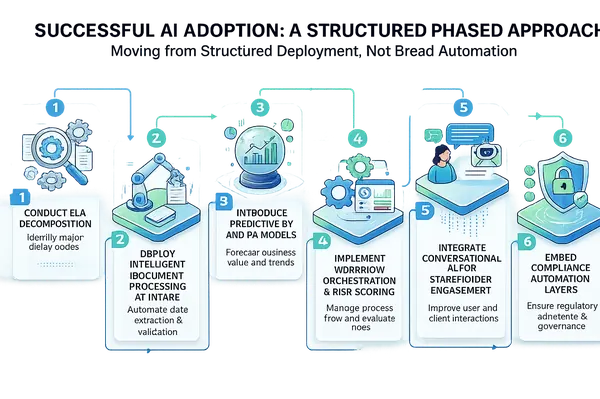
Effective platforms should support:
- Integrated views across sales, access, patient services, and claims
- Standardized definitions and shared metrics
- Leading indicators tied to commercial risk
- Field activity connected to outcomes
- Payer and access insights embedded into sales strategy
- Near real time visibility with alerts and drill downs
This requires a strong data foundation, not just better dashboards.
Final Thoughts
In 2026, the biggest commercial analytics problems in pharma are not technical limitations.
They stem from:
- Siloed data ownership
- Inconsistent logic
- Lagging metrics
- Analytics built for reporting instead of action
Teams that address these issues gain faster visibility, clearer accountability, and more confident decision making.
Those that don’t continue to operate reactively even with world class data access.
Have a Project in Mind? Let’s Talk.
Part of our Pharma Commercial and Patient Analytics hub. Start with our specialty pharmacy analytics.